Rajasthan – The Royal State of India | AlightIndia
Introduction
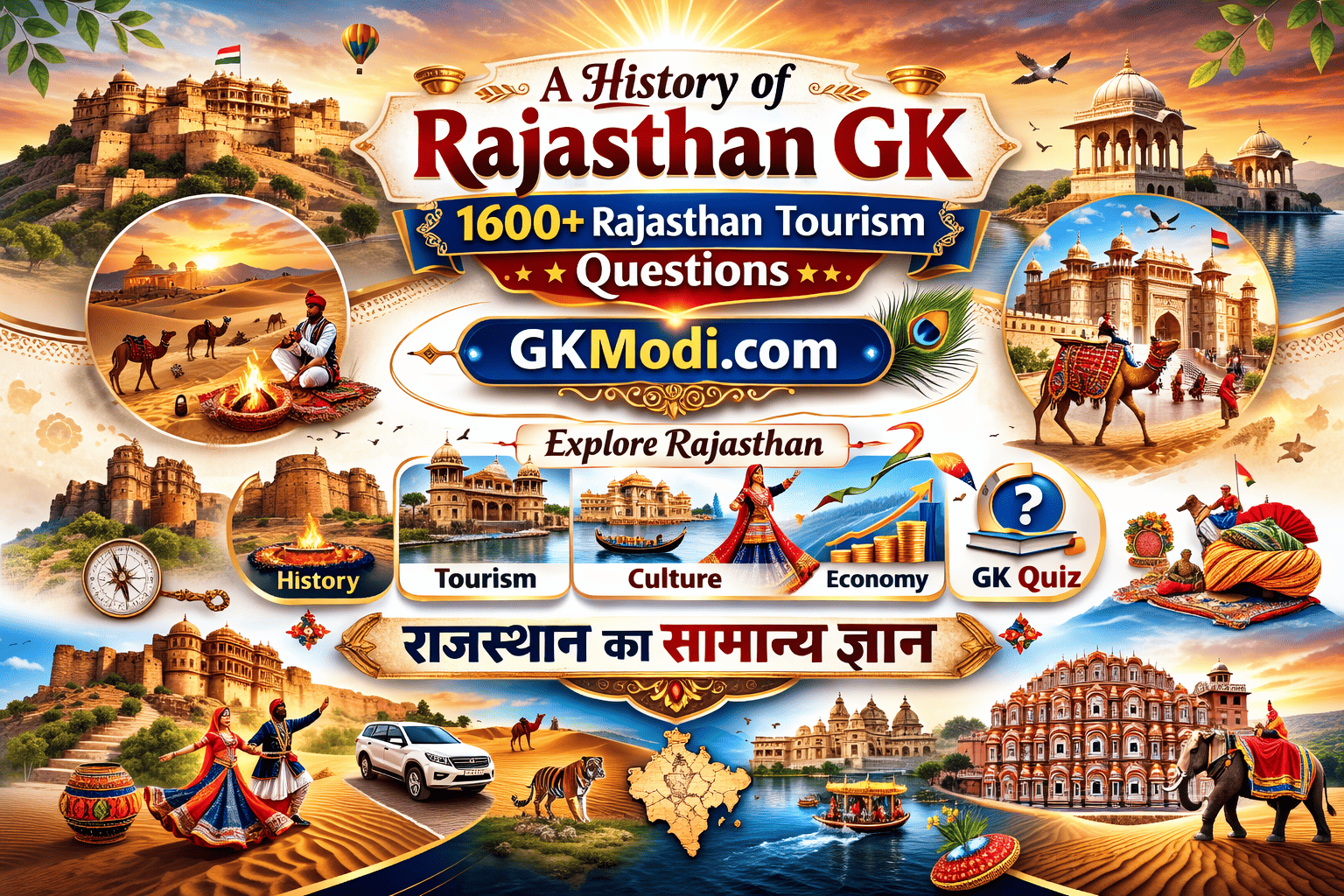
Rajasthan, famously known as the Land of Kings, is India’s largest state by area and one of the most historically significant regions in South Asia. Located in northwestern India, it is renowned for its royal heritage, majestic forts, colorful culture, and dramatic landscapes shaped by deserts and ancient mountains. The state represents a living museum of India’s medieval past, where traditions of valor, honor, art, and hospitality continue to thrive. From golden sand dunes to marble palaces, Rajasthan offers a fascinating blend of history, geography, and cultural richness that makes it a central topic in general knowledge studies, tourism, and Indian heritage.
Geography and Climate - climate and global climate zones
Covering about 342,239 square kilometers, Rajasthan is the largest state in India. Nearly 60% of its land area is occupied by the vast Thar Desert, also called the Great Indian Desert, which stretches across western Rajasthan and extends into Pakistan. This region is characterized by shifting sand dunes, sparse vegetation, and extreme temperatures.
Dividing the state diagonally is the ancient Aravalli Range, one of the world’s oldest mountain systems. These hills separate the arid west from the relatively fertile eastern and southeastern plains. Eastern Rajasthan receives more rainfall and supports agriculture, rivers, and forests. Mount Abu, located in the Aravalli hills, is the state’s only hill station and offers a cool climate that contrasts sharply with the desert heat.
Rajasthan’s climate is generally hot and dry, with scorching summers, mild winters, and a short monsoon season. Temperatures in desert regions can exceed 45°C in summer and drop significantly at night. Despite harsh conditions, people have adapted through traditional architecture, clothing, and water conservation systems such as stepwells and reservoirs.
Capital and Major Cities
The capital city is Jaipur, popularly called the Pink City because of its terracotta-colored buildings. Founded in 1727 by Maharaja Sawai Jai Singh II, Jaipur is famous for landmarks such as Hawa Mahal, Amber Fort, and Jantar Mantar Observatory. It is also a major center for tourism, handicrafts, and gemstone trade.
Other prominent cities include:
- Jodhpur – Known as the Blue City for its blue-painted houses and dominated by the imposing Mehrangarh Fort.
- Udaipur – Called the City of Lakes, celebrated for its romantic palaces, serene waters, and scenic hills.
- Bikaner – Famous for its desert culture, camel breeding farms, and historic Junagarh Fort.
Each city reflects a distinct architectural style, dialect, cuisine, and cultural identity, making Rajasthan a diverse mosaic rather than a uniform region.
Historical Background and Heritage - History of Rajputs in India
Rajasthan’s history spans more than 5,000 years, with archaeological evidence linking the region to the Indus Valley Civilization. In ancient times, it was part of trade routes connecting India with Central Asia and the Middle East. The region later became known as Rajputana, meaning “Land of the Rajputs,” after the warrior clans who ruled it for centuries.
Rajput rulers were renowned for their bravery, strict code of honor, and dedication to protecting their kingdoms. Legendary figures such as Maharana Pratap symbolize resistance against foreign invasions and have become national icons of courage. The Rajputs built massive hill forts, many of which still stand today as architectural masterpieces.
Several forts and monuments are recognized as part of the UNESCO World Heritage list, including Amer Fort, Chittorgarh Fort, and Kumbhalgarh Fort. These structures were designed not only for defense but also for grandeur, featuring intricate carvings, courtyards, temples, and palaces.
During the medieval period, Rajasthan witnessed battles, alliances, and cultural exchanges between Rajput kingdoms and Mughal emperors. This interaction influenced architecture, art, and administration, resulting in a unique Indo-Rajput style that remains visible today.
Tourism and Attractions - Rajasthan tourism places
Tourism is one of Rajasthan’s strongest sectors and a key contributor to its economy. Visitors from around the world are drawn to its forts, palaces, deserts, wildlife sanctuaries, and colorful festivals. The state offers a wide range of experiences, including camel safaris, heritage walks, palace stays, and cultural performances.
Heritage towns such as Mandawa are known for beautifully painted havelis that display intricate fresco art. Travelers seeking an authentic stay often choose heritage resorts like Aangan Resort Mandawa, where traditional architecture blends with modern comfort.
Wildlife tourism is equally popular. Ranthambore National Park is famous for Bengal tigers, while Bharatpur Bird Sanctuary attracts birdwatchers from across the globe. Desert tourism in Jaisalmer and Bikaner offers unique adventures such as dune bashing, folk dance evenings, and stargazing in clear desert skies.
Culture, Traditions, and Festivals - Culture of Rajasthan – Traditions, Festivals
Rajasthan’s culture is among the most vibrant in India. Traditional clothing features bright colors and elaborate embroidery, reflecting both aesthetic preference and adaptation to desert conditions. Turbans vary in color and style depending on region and occasion, while women wear beautifully decorated ghagras and odhnis.
Folk music and dance are integral to daily life and celebrations. Instruments like the sarangi, algoza, and dholak accompany songs that narrate heroic tales, romantic legends, and devotional themes. Popular dance forms include Ghoomar, Kalbeliya, and Bhavai, each showcasing graceful movements and rhythmic precision.
Festivals are celebrated with great enthusiasm. The Pushkar Camel Fair, Desert Festival of Jaisalmer, and Teej Festival of Jaipur attract thousands of visitors. These events combine religious rituals, livestock trading, folk competitions, and cultural shows, offering a lively glimpse into Rajasthan’s traditions.
Handicrafts are another hallmark of the state. Rajasthan is globally known for block printing, tie-and-dye textiles, blue pottery, leatherwork, miniature paintings, and gemstone jewelry. These crafts not only preserve heritage skills but also provide livelihoods to thousands of artisans.
Cuisine of Rajasthan - Rajasthani Cuisine | Local Food of Rajasthan
Rajasthani cuisine reflects the region’s climate and history. Because water was historically scarce, many dishes were designed to last long without refrigeration. Foods are often spicy, flavorful, and cooked with clarified butter (ghee).
Signature dishes include:
- Dal Baati Churma – A combination of lentils, baked wheat balls, and sweet crushed wheat.
- Ker Sangri – A traditional desert dish made from wild berries and beans.
- Gatte ro Saag – Gram flour dumplings cooked in a tangy curry.
- Laal Maas – A fiery red mutton curry once favored by royal hunters.
Sweets such as Ghewar, Malpua, and Mawa Kachori are popular during festivals. Hospitality is deeply rooted in Rajasthani culture, and guests are treated with warmth under the traditional greeting “Padharo Mhare Desh,” meaning “Welcome to my land.”
Economy and Industries - Rajasthan Tourism, Economy, GDP, Industries
Rajasthan’s economy is diverse, combining agriculture, animal husbandry, mining, handicrafts, and tourism. Agriculture remains a major occupation, especially in eastern districts where irrigation supports crops like wheat, barley, mustard, and pulses. The state is one of India’s leading producers of oilseeds and edible oils.
Livestock rearing is common in desert regions, with sheep, goats, and camels playing important roles. Rajasthan is also India’s largest producer of wool. Mineral resources are abundant; the state is rich in marble, granite, limestone, zinc, and copper, making mining a key industrial sector.
In recent years, Rajasthan has emerged as a leader in renewable energy, particularly solar power. Large solar parks in desert areas harness abundant sunlight and contribute significantly to India’s clean energy goals. Industrial growth, improved infrastructure, and expanding road networks continue to strengthen the state’s economic development.
Population and Languages - Rajasthan official language
Rajasthan has a population of over 68 million people. The population is a mix of urban residents in cities and rural communities living in villages. Hindi is the official language, while various Rajasthani dialects such as Marwari, Mewari, and Shekhawati are widely spoken. English is commonly used in education, tourism, and administration.
The state’s social structure reflects a blend of traditional customs and modern influences. While many rural areas maintain centuries-old practices, urban centers are rapidly modernizing with universities, technology parks, and commercial hubs.
Importance in General Knowledge Studies
Rajasthan holds a prominent place in GK examinations, competitive tests, and academic studies because of its historical importance, cultural diversity, and geographical uniqueness. Questions often focus on:
- Largest state of India by area
- Desert geography and climate patterns
- Rajput rulers and historic battles
- UNESCO heritage sites
- Traditional dances, crafts, and cuisine
- Mineral production and renewable energy leadership
Understanding Rajasthan provides insight into India’s medieval history, architectural achievements, and regional diversity, making it a vital topic for students preparing for competitive exams.
Conclusion
Rajasthan stands as a symbol of India’s royal legacy, artistic brilliance, and enduring traditions. Its sweeping deserts, ancient mountains, grand palaces, and colorful festivals create a landscape rich in stories and heritage. The state’s historical depth, cultural vibrancy, and economic significance make it not only a major tourist destination but also an essential subject in general knowledge and academic learning.
From the pink facades of Jaipur to the blue lanes of Jodhpur and the shimmering lakes of Udaipur, Rajasthan offers a timeless journey into a world of kings, warriors, and artisans. It is a land where history lives in stone walls, music echoes across dunes, and every festival paints the desert with color. Truly, Rajasthan deserves its title as The Royal State of India.
Primary: Rajasthan GK, Rajasthan history facts, Rajasthan tourism guide, Rajasthan culture, Rajasthan forts
Secondary: Land of Kings India, Rajasthan geography, Rajputana history, Rajasthan cities list, Rajasthan economy facts